Buyer's Guide to improving dust collection system performance
Buyer's Guide to improving dust collection system performance
Blog Article
Boost Efficiency: Picking the Best Dust Collector Components for Your Specifications
Choosing the appropriate dust collector filters is critical for maximizing system efficiency. Various factors influence this choice, including dust type, airflow needs, and filter performance. Understanding the distinctions between bag and cartridge filters can significantly influence operational effectiveness. Consistent maintenance also serves as an vital component in longevity and performance. As organizations aim for better air quality and cost savings, the subtleties of filter choice become increasingly important. What criteria should one evaluate next?
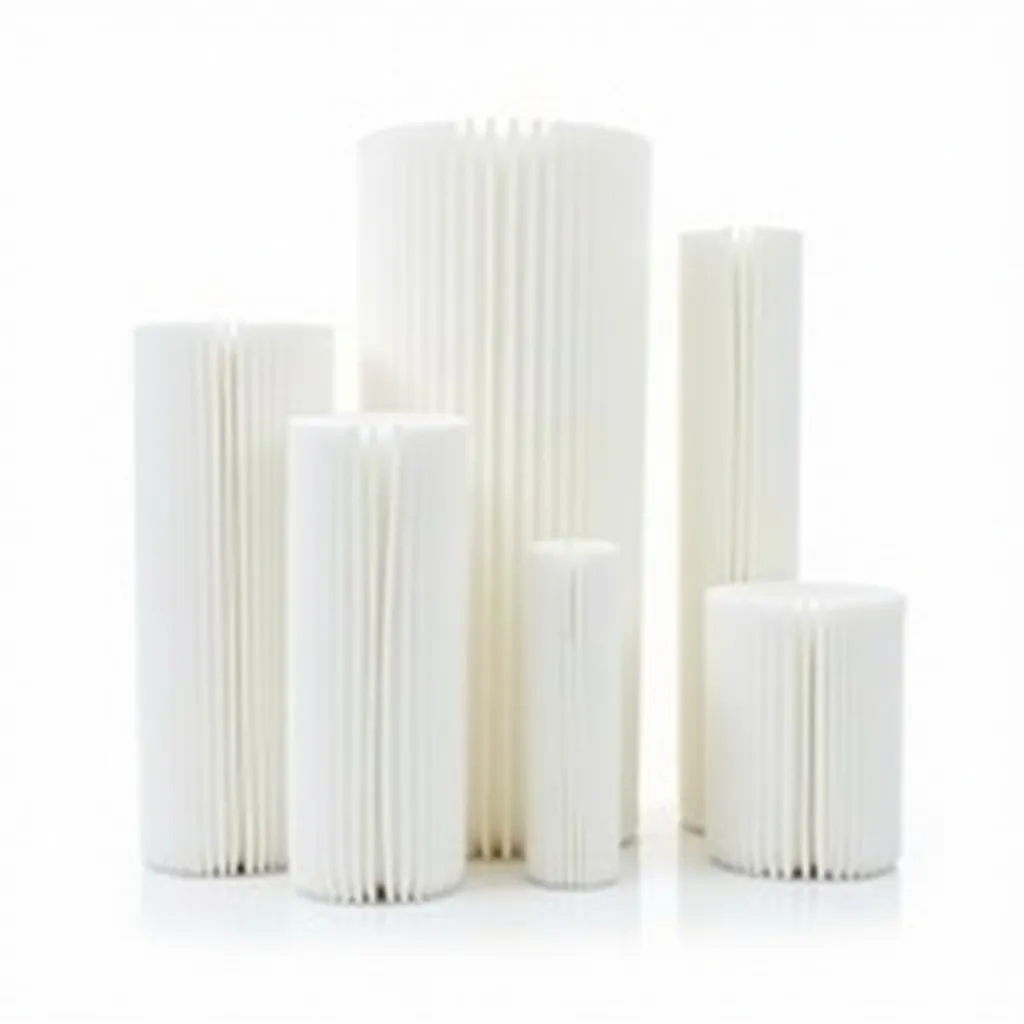
How to Pick the Ideal Dust Collector Filter
Choosing the right dust collector filter can often seem overwhelming. With multiple selections on offer, comprehending the particular requirements of the workspace is critical. Variables such as the type of dust produced, the amount of air that requires filtering, and the intended performance standards play important roles in the decision procedure.
In addition, the filter's alignment with the existing dust collection system is critical to maintain optimal performance. Attention should be paid to the filter's useful life and maintenance requirements, as these can influence operational costs.
Performance ratings and certifications can guide users in choosing filters that meet industry standards.
In the final analysis, understanding the distinct application requirements and environmental circumstances will facilitate a more prudent choice, maximizing the effectiveness of the dust management system and establishing a cleaner, safer workspace.
Bag Filtration Outline
Bag filters constitute an essential component in dust collection systems, efficiently trapping airborne particles and maintaining air quality in multiple industrial environments.
These filters are generally made from woven or non-woven materials that can trap dust, strands, and other particles. Typical varieties include needle-punched felt and fabric weave bags, each offering distinct filtering effectiveness and functional characteristics.
Bag filters are broadly applied in operations spanning woodworking to metalworking, where fine dust control is vital. They can also be set up in different shapes and sizes to suit specific systems.
Consistent servicing and replacement cycles are important to maintain optimal performance, as obstructed filters can hinder airflow and compromise system efficiency.
Proper selection of bag filters is key to maximizing dust collection efficiency.
Cartridge Filters Unveiled
Cartridge filters serve as another viable option in dust collection systems, enhancing the role of bag filters.
The filters are designed with a cylindrical shape, maximizing surface area and enhancing dust capture efficiency. Generally constructed from pleated materials, cartridge filters are able to capture fine particles, ranging from 0.5 to 5 microns, making them suitable for various industrial applications.
Their compact design facilitates convenient installation and upkeep, often yielding minimized operational expenses. Additionally, cartridge filters can be maintained with pulse jet cleaning, boosting their longevity and reducing waste.
Selecting cartridge filters requires taking into account the type of dust being collected, airflow requirements, and specific industry regulations to ensure peak performance and compliance.
Essential Guidelines for Selecting Dust Collector Filter Components
When choosing dust collector filter units, several critical factors must be evaluated to guarantee optimal operation and efficiency.
To begin, the filtering substance serves an important function; possible choices comprise polyester, polypropylene, and cellulose, each intended for different particle sizes and purposes.
Second, the filter's efficiency rating, often measured by MERV (Minimum Efficiency Reporting Value), should match the specific requirements of the workspace.
Additionally, the filter's airflow resistance must be assessed, as elevated resistance can lead to increased energy costs and reduced airflow.
The filter's size and compatibility with existing equipment remain important, guaranteeing proper installation and best performance.
Ultimately, maintenance obligations, including cleaning and replacement schedule, should be reviewed to decrease downtime.
How Filter Efficiency Impacts Air Quality?
What effect does filter efficiency have on air quality? The effectiveness of dust collector filters is directly linked with the particulate matter extracted from the air. High-efficiency filters capture smaller particles, including allergens, dust, and harmful pollutants, thereby greatly improving indoor air quality.
When filters function at optimal performance, they reduce the re-release of contaminants, decreasing respiratory issues and other health risks linked to poor air quality.
In operational facilities, the filter selection can establish compliance with safety mandates, affecting overall workplace safety. By contrast, low-quality filters may allow harmful particles to move into the environment, compounding environmental issues.
Therefore, selecting the appropriate filter not only enhances air quality but also encourages a healthier atmosphere for employees and the surrounding community. In the final analysis, committing resources to high-efficiency filters is vital for preserving a clean and safe environment, underscoring the importance of filter selection in dust collection systems.
Filter Upkeep Effects on Dust Collector Filter Durability
Filter upkeep serves as a key factor in lengthening the service life of dust collector filters. Scheduled maintenance and assessment represent vital methods that deliver superior efficiency and enhance filter durability.
Failing to service your system can trigger heavy dust accumulation, which elevates resistance and reduces airflow. This burden can force filters to wear out more fast, necessitating untimely replacement.
Furthermore, the form of care done—whether it involves manual cleaning or automatic devices—can also shape durability.
For instance, faulty cleaning methods could damage filter media, compromising their performance.
Cost-Effectiveness of Dust Collector Filters
Cost-effectiveness represents a key matter in selecting dust collector filters, as it directly impacts operational efficiency and budget management. Businesses must evaluate both the initial costs and the long-term performance of filters to ascertain their overall value.
Top-tier filters could demand a steeper upfront investment but are able to deliver excellent filtration performance and longer lifespan, decreasing replacement intervals and lowering your maintenance budget.
Also, energy consumption should be factored into the cost equation; filters that allow smoother airflow can reduce the energy requirements of dust collection systems.
Examining the total cost of ownership, which includes purchase, maintenance, and operational expenses, provides a detailed understanding of value for money.
Identifying the right filters not only conforms to regulatory compliance but also boosts productivity by limiting downtime and establishing cleaner work environments, further justifying the investment.
Consequently, corporations should diligently analyze their options to match filter decisions with budget goals and operational requirements.
Filter Options Instructions
Determining the ideal filters is important for improving a dust collection system's performance. First, one must review the specific types of dust generated in the workspace, as different materials demand different filtration efficiencies.
Taking the filter's micron rating into account is vital; finer particles require filters with elevated ratings. Furthermore, evaluating airflow requirements helps in choosing filters that preserve peak system performance without excessive pressure drop.
A important factor is compatibility with the dust collector model, ensuring a suitable fit and function. Finally, it is important to factor in the filter's duration and ease of replacement to reduce downtime.
Consistent Maintenance Practices
A dust collection system requires regular maintenance that is essential for assuring peak performance and long-term durability. Periodic review of filter units is necessary; maintaining or upgrading them as called for prevents flow restriction and sustains effectiveness.
Moreover, reviewing seals and ductwork for leaks can dramatically enhance system output. It is sensible to establish routine maintenance inspections, preferably monthly, to manage any prospective issues before they deteriorate.
Operators should also keep watch on the pressure meter to assess filter condition accurately. Regular upkeep of the collection unit itself, including the motor and fan components, increases the system's lifespan.
Applying these care routines not only boosts dust collection efficiency but also fosters a safer and healthier working environment. Consistent upkeep ensures that the system operates at its optimal level, minimizing long-term maintenance expenses.
Frequently Asked Queries
How Frequently Should I Change My Dust Collector Filter Elements?
Dust collector filters should generally be replaced every 6-12 months, depending on operating conditions and environmental factors. Routine inspections and upkeep can help determine the ideal replacement schedule for maintaining performance and efficiency.
Is It Possible to clean and use again Disposable Filters?
Disposable filters aren't cleaned and reused. Attempting to clean them can damage their effectiveness, leading to lowered performance. It is best to replace disposable filters regularly to ensure peak dust collection efficiency.
Which Choices Are Most Appropriate for Dust Collector Filters?
Synthetic fibers, pleated paper, and activated carbon represent top-tier choices for dust collector filters. These selections offer outstanding filtration efficiency, durability, and the capacity to remove fine particles, boosting overall air quality in various environments.
Are there environmentally conscious filtration choices available?
Certainly, eco-conscious filter options are available, including filters made from recycled materials, naturally decomposable fibers, and natural media. These solutions can effectively reduce environmental impact while upholding filtration efficiency in dust collection systems.
How Can I Improve Filtration Efficiency in High-Dust Environments?
To maximize filter performance in high-dust environments, routine maintenance, choosing appropriate filter materials, optimizing airflow, and installing pre-filters can learn about this significantly increase efficiency and prolong the life span of dust collection systems.
Report this page